Theaters of Operation
The six fronts Oregonians were sent to, each one a campaign measured in years.
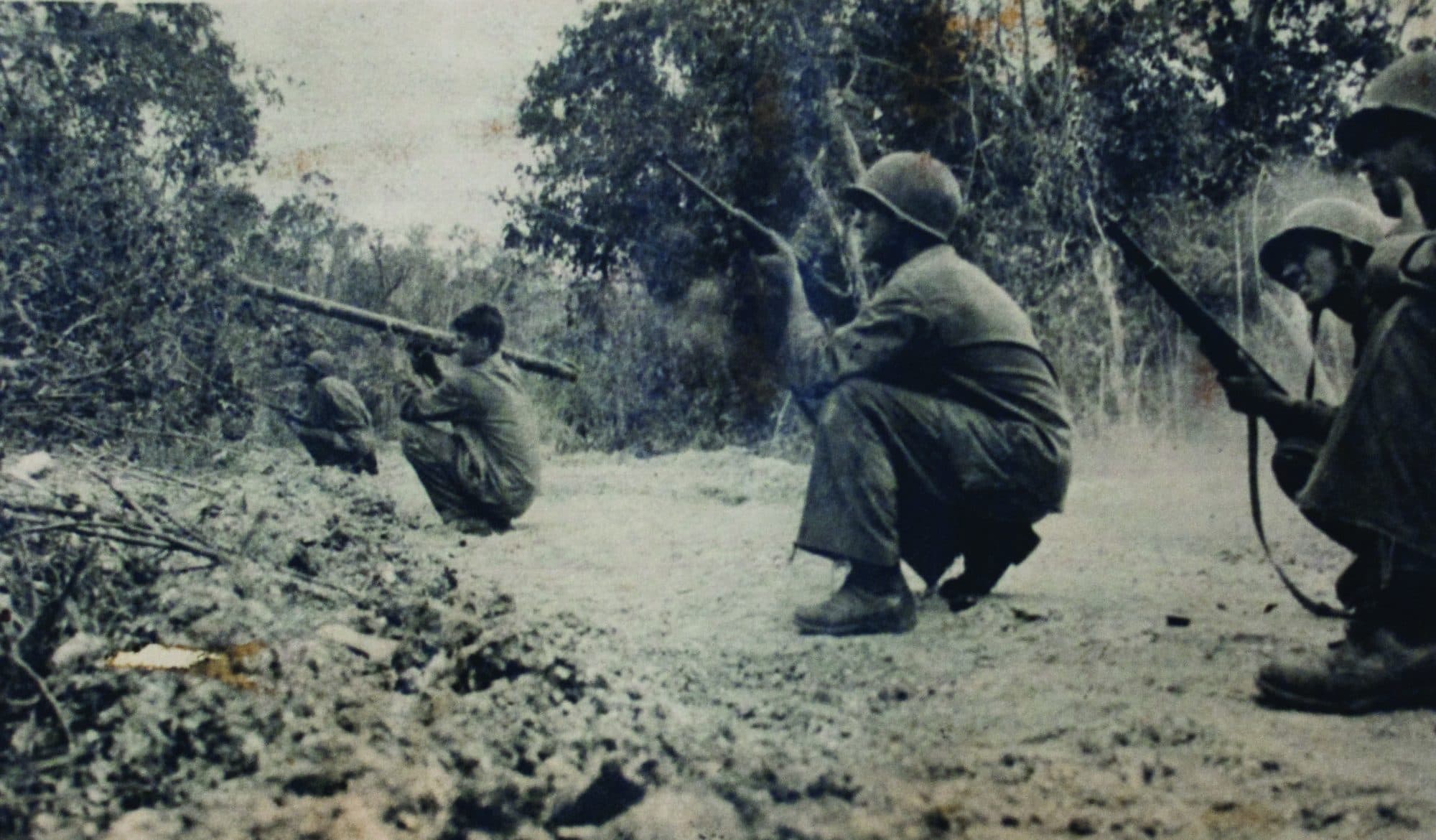
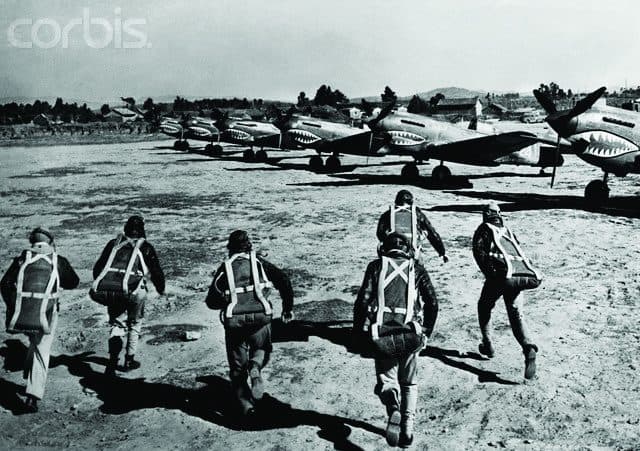
WWII China Burma India Theater
Often overlooked in the history of the Second World War is the American contribution to the China-Burma-India Theater. While some of America’s fiercest battles took place against Japanese defenders in the Pacific, it is important to understand that throughout the war, the majority of Japan’s fighting force was tied down in China—thanks in no small part to the support of the United States.
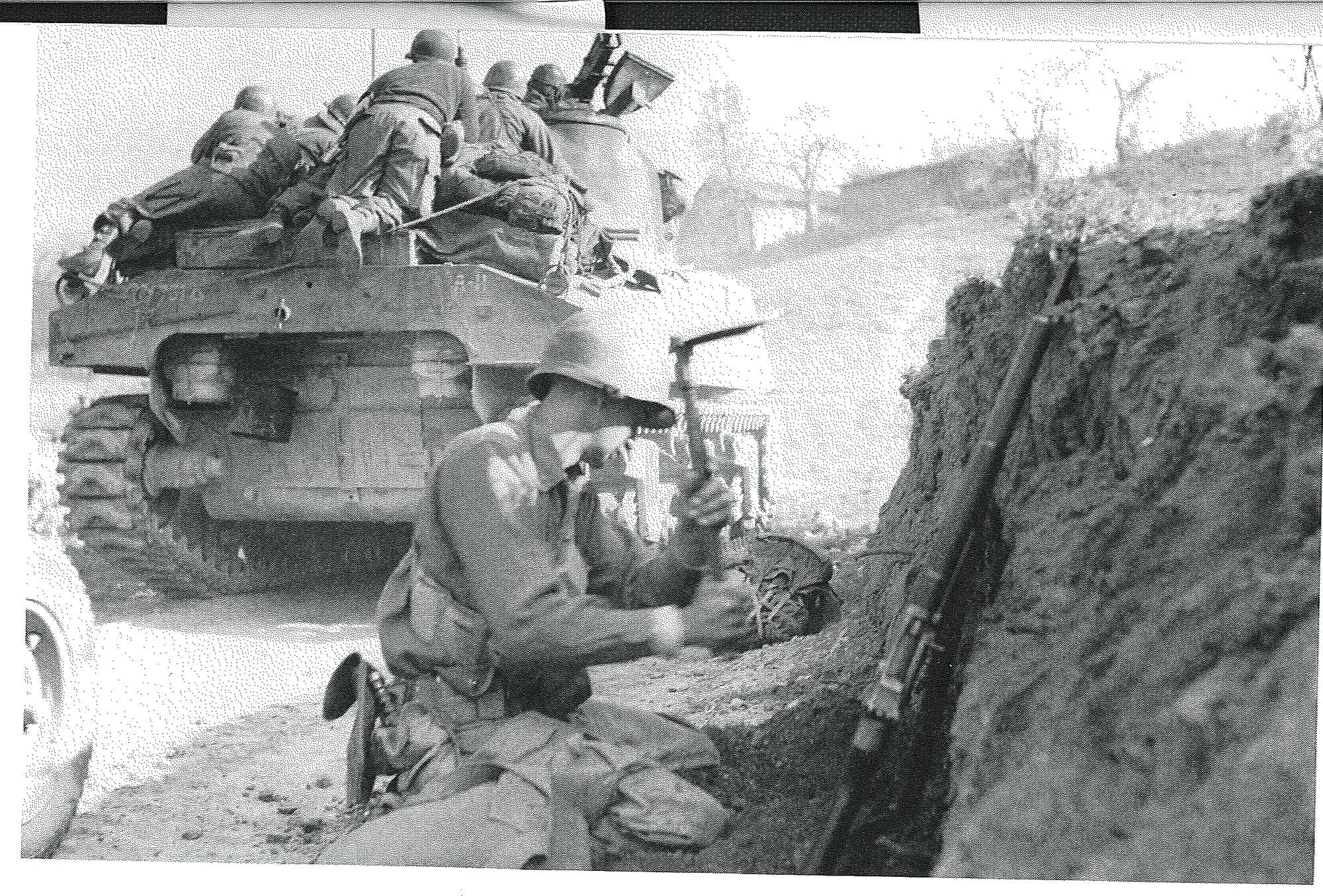
WWII European Theater
The war in Europe was already two years old when the United States of America entered the fray in December 1941. The Allies had completely failed to stop Adolf Hitler, and Nazi Germany swarmed across Western Europe: France fell in 1940; Great Britain was driven off the continent and narrowly avoided invasion later that summer; in June 1941, Hitler invaded the Soviet Union—the advance left the Russians reeling, and by December their fate hung in the balance as the Nazis closed within sight of Moscow. The Third Reich was the unrivalled power in Europe.
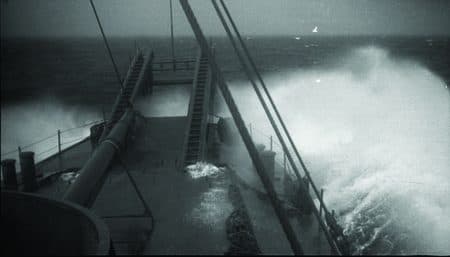
WWII Mediterranean Theater
While Imperial Japan provoked the United States of America to war in December 1941 with its surprise attack on the naval installation at Pearl Harbor, Nazi Germany was the primary concern of the American war effort in 1942. The Japanese were a threat, to be sure, but the Nazis held a boot to the other Allies’ throats; France had fallen, the Soviet Union was buckling under a massive German invasion in the East, and the British had only barely managed to stave off invasion in 1940 and their armies were struggling to turn back German and Italian armies sweeping across North Africa toward the Suez Canal. If Suez were to fall to the Fascist powers, Great Britain’s primary route to their empire in the East would be closed and the British war effort severely compromised. Thus Germany had to be stopped.
Pacific Ocean Areas
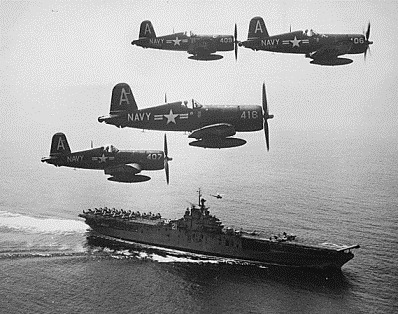
On December 31, 1941, in a ceremony aboard the submarine Grayling in Pearl Harbor, Hawaii, Admiral Chester Nimitz became Commander in Chief of the United States Pacific Fleet. Few men in history had accepted such a difficult charge; all around him on the oil-soaked harbor, the shattered, burned-out remnants of his fleet sat low in the water—the Japanese surprise attack on December 7 had destroyed or heavily damaged eighteen ships, six of them battleships. Morale was low, and as the Japanese advanced across American holdings at Wake Island, Guam, and the Philippine Islands, they seemed invincible. But Admiral Nimitz grimly accepted his new duty and set out to rebuild the fleet and eventually bring the fight to Japan.
WWII Pacific Theater
“Japan could not be bluffed. It considered the colonial territories of France, Britain, and the Netherlands its legitimate area of expansion. If Japan could seize and hold this vast resource area in Southeast Asia, the political and strategic weights and balances in the Orient would shift in its favor. The whole El Dorado of the South might well fall into Japan’s lap like a ripe plum except for that black-hat villain Uncle Sam, hanging over the orchard gate with a shotgun—his powerful fleet at Hawaii.”
WWII South West Pacific Areas
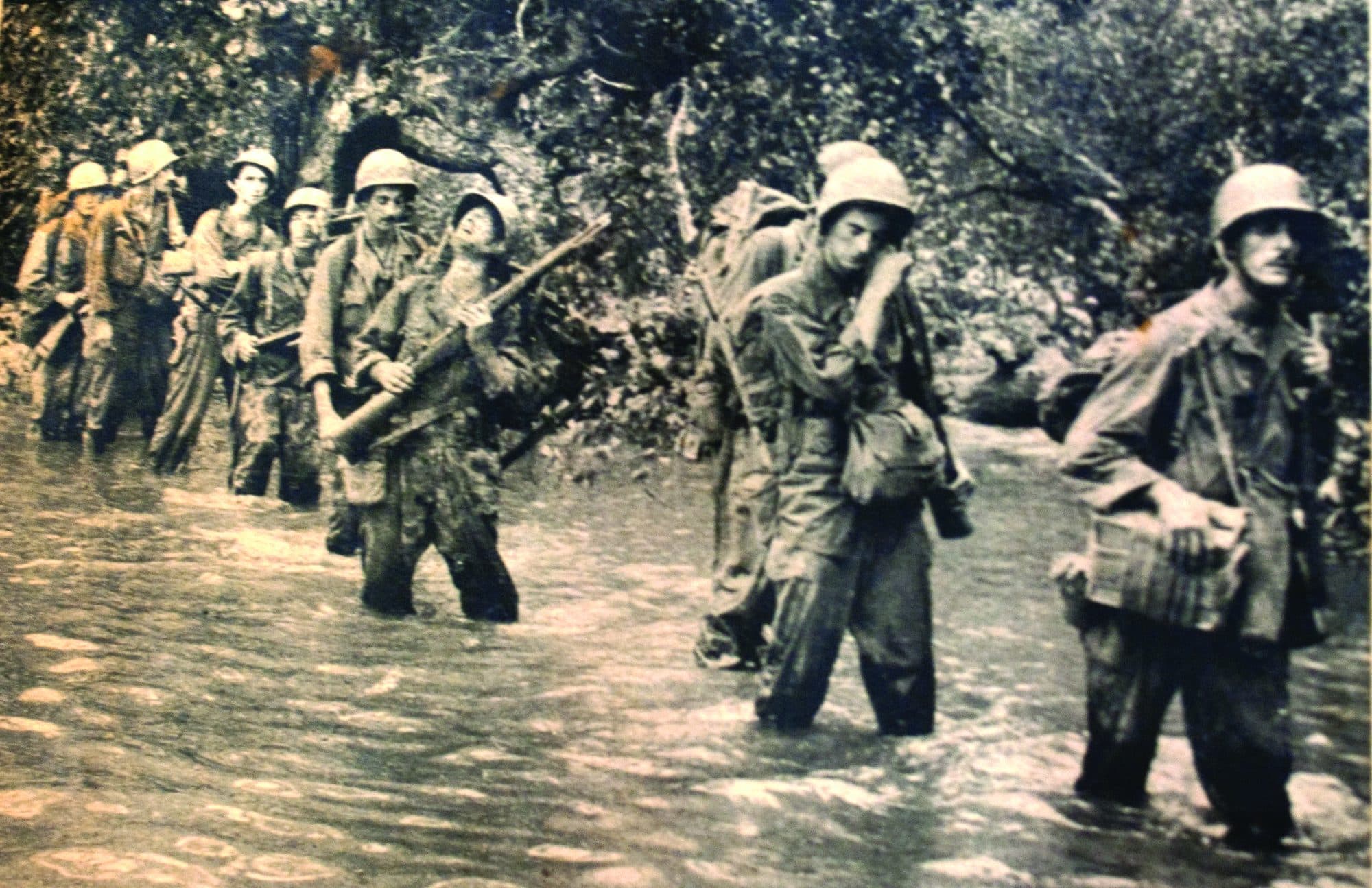
On December 7, 1941, Imperial Japan declared war on the United States of America with an attack on the powerful United States Pacific Fleet at Pearl Harbor, Hawaii. Taking the defenders completely by surprise, over a period of two hours Japanese aviators sank or damaged eighteen ships, destroyed nearly two hundred aircraft, and killed 2,403 Americans. In this single, swift assault, the bulk of the United States Pacific Fleet—the chief deterrent against Japanese aggression in the Far East—was thoroughly crippled.